Grease traps and local food service businesses
Glendale lies northwest of Gilbert. In a trap or interceptor, grease separates from wastewater and collects above food waste. If that buildup is left in place, it can crowd the outlet and slow drainage. A grease smell near the wash area can also mean the unit needs attention.
An indoor trap is commonly tucked beneath a sink or recessed into the floor; its contents are generally removed by hand. A buried interceptor usually has outdoor access covers and requires a vacuum truck. A provider can suggest a schedule for your kitchen in Glendale when you call to ask whether to arrange grease trap pumping or grease interceptor pumping.
Grease trap services in Glendale, AZ
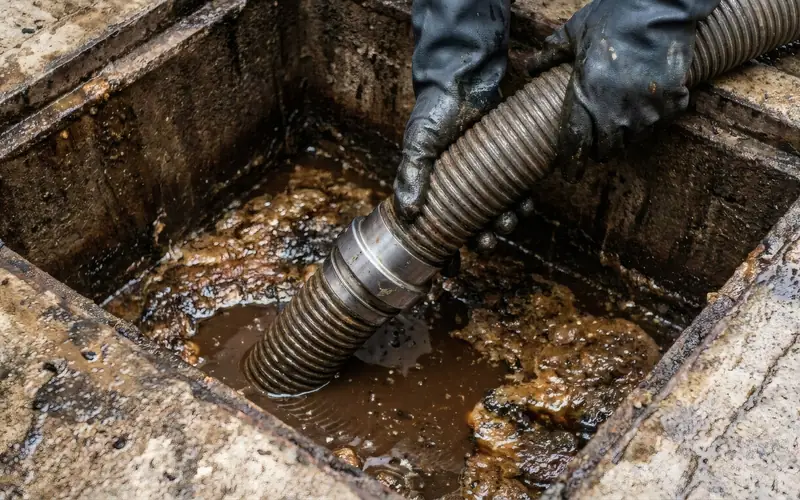
Grease Trap Pumping
Pumping a small indoor trap removes its contents, while cleaning also addresses grease stuck to its surfaces. An in-ground interceptor is a separate unit. If grease and settled food solids are taking up space beneath the trap lid, ask about grease trap pumping. Describe what you see so the provider knows which unit needs attention.
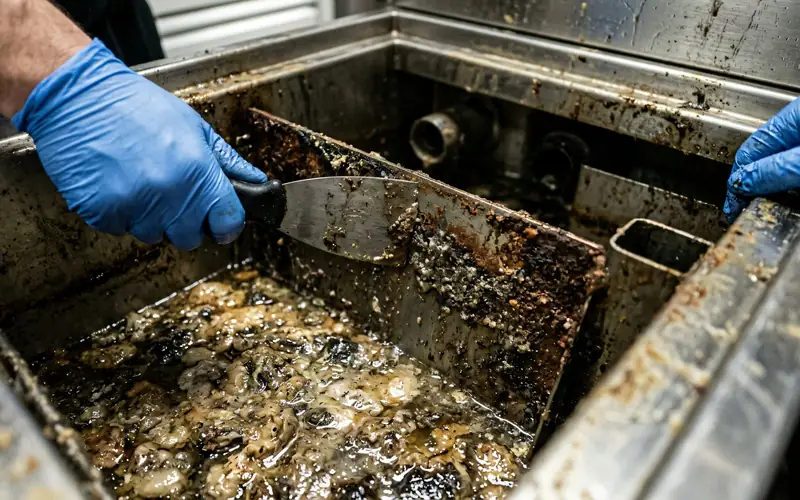
Grease Trap Cleaning
Cleaning a small trap usually removes its contents and clears grease from the walls, baffle and accessible outlet tee. If odors linger after the trap is emptied, or you see grease clinging to those parts, ask about grease trap cleaning. That buildup can narrow the path wastewater takes through the trap.
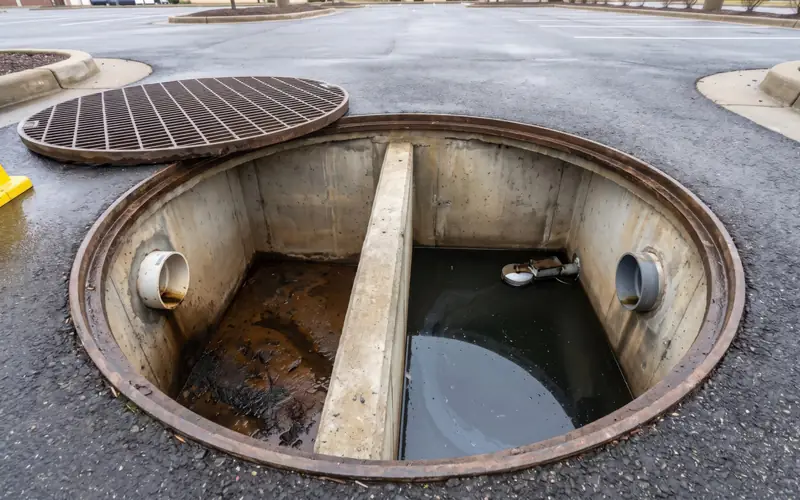
Grease Interceptor Cleaning
After an in-ground interceptor is pumped, grease may still cling to its walls or baffles. If you see that buildup, ask the provider whether cleaning includes the area around the outlet tee when you arrange grease interceptor cleaning. The work usually removes the contents and clears accessible coated surfaces.
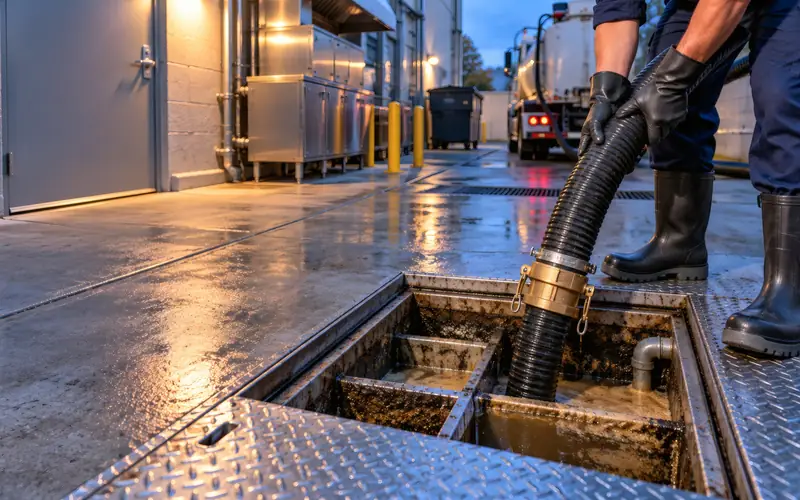
Grease Interceptor Pumping
Does interceptor pumping include settled solids at the bottom of the tank? Those solids occupy space even after floating grease is removed. Ask the provider about them when arranging grease interceptor pumping. The service usually removes grease, wastewater and settled material from an in-ground unit.
Local grease trap requirements
Local grease trap requirements usually come from a city or sewer district, depending on the address. Check with the responsible office before putting service dates on the calendar. Ask about the required schedule, whether a permit applies, and which records must stay on file. File the hauler’s service record after each visit.
Nearby service areas
The same number reaches providers serving nearby areas. Businesses with more than one location can call once per site and enter each ZIP code.
Common grease trap questions
How often do Glendale restaurants need grease trap pumping?
The grease your menu produces, the water moving through the trap and its capacity all affect pumping needs. Check local requirements when setting the schedule. Your sewer utility may also set a schedule or a fullness limit, so ask it before you settle on one. A provider can use your service records to suggest when pumping is due.
Do providers serving Glendale handle in-ground interceptors?
Many providers handle in-ground interceptors, though access to the covers matters. Say whether you have an in-ground interceptor or an indoor trap, share its size if known, and call to check availability.
Who will I be speaking to when I call?
A short automated prompt asks for your ZIP code, then routes your call to an independent grease trap service provider covering Glendale. We are a connection service and do not perform the work. The provider you speak with sets the price, schedule and terms.