Grease traps and local food service businesses
Slow drainage at the dish sink can mean grease has built up near the outlet tee, though a blocked line can cause it too. Phoenix lies west of Gilbert. Grease rises above wastewater, and missed cleanouts can let buildup reach the outlet and bring odors into the kitchen.
A small indoor trap usually sits beneath a sink or in a floor box and is emptied by hand. Ask about grease trap pumping for that unit. An in-ground interceptor usually has outdoor access and is pumped with a vacuum truck. Call a provider serving Phoenix about a schedule based on kitchen use and grease interceptor pumping for the larger unit.
Grease trap services in Phoenix, AZ
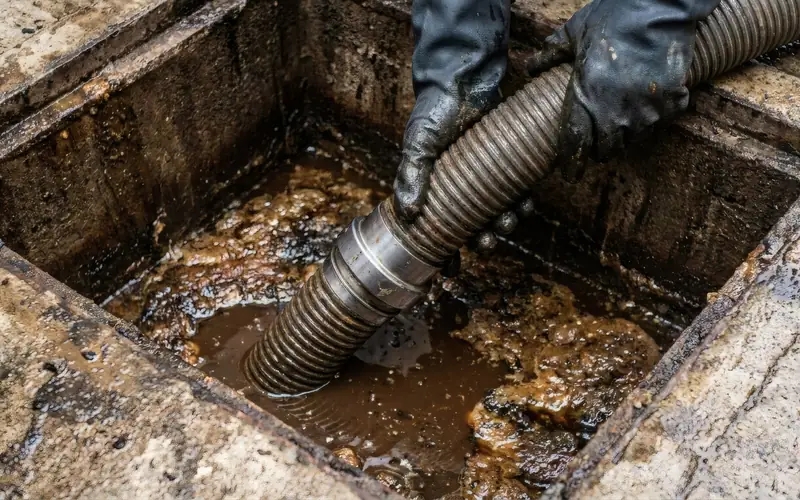
Grease Trap Pumping
Grease trap pumping removes the grease layer, wastewater and settled food solids beneath the lid. If you notice those contents building up, the trap may need to be emptied before they crowd the flow path. Call to arrange grease trap pumping and describe what you saw inside.
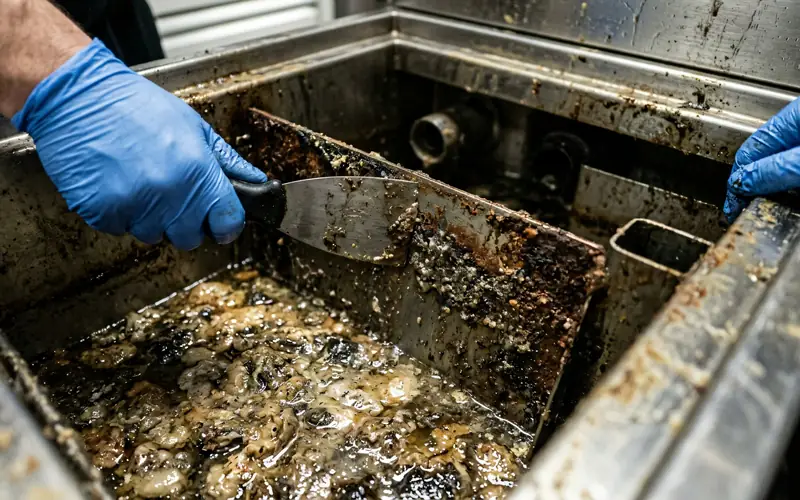
Grease Trap Cleaning
The trap was emptied, yet grease still coats the baffle and the sink drains slowly. That can mean residue needs attention. If you ask a provider about grease trap cleaning, find out whether the outlet tee is cleared. Cleaning usually removes the contents and scrapes accessible surfaces.
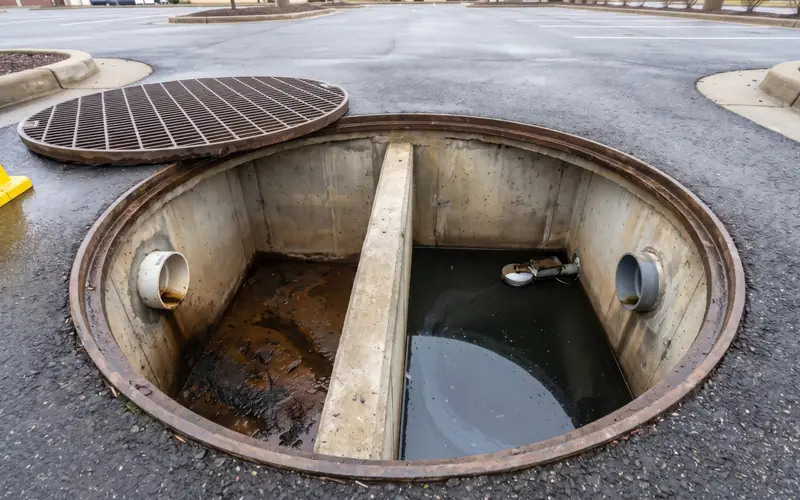
Grease Interceptor Cleaning
Will grease around the outlet tee be cleared? Ask a provider about that when arranging grease interceptor cleaning, since buildup there can restrict flow after the tank is emptied. Cleaning usually removes the contents and clears residue from accessible walls and baffles.
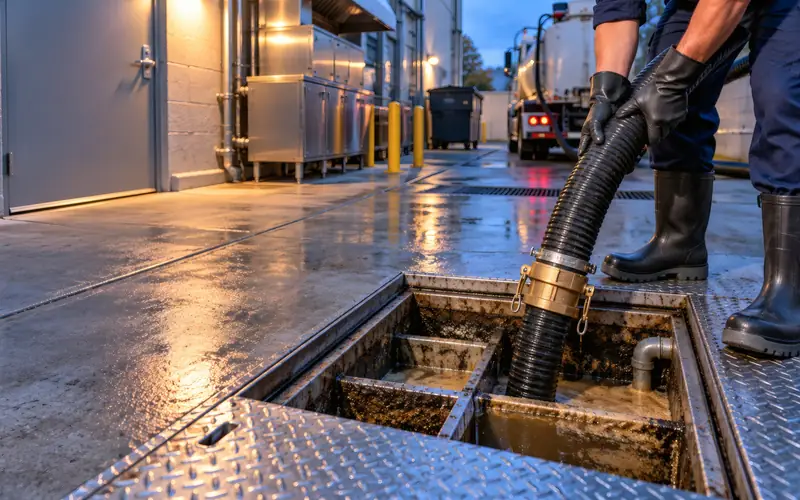
Grease Interceptor Pumping
Interceptor pumping removes the tank contents, while cleaning also addresses grease stuck to interior surfaces. If you see a heavy grease layer beneath the cover, that can mean the interceptor needs its contents removed. Arrange grease interceptor pumping by phone and mention the grease layer beneath the cover.
Local grease trap requirements
Start with the sewer connection for your kitchen's address, rather than a service date copied from another business. The city or sewer district serving that connection usually sets the requirements. Ask about the required schedule, any permit, and which records you need to retain. Keep the hauler's service record for each visit in your kitchen files.
Nearby service areas
The same number reaches providers serving nearby areas. Businesses with more than one location can call once per site and enter each ZIP code.
Common grease trap questions
How often do Phoenix restaurants need grease trap pumping?
A trap serving a busy dish station may need pumping sooner than one handling less water and grease. Trap size, your menu and local requirements also affect the schedule. Your sewer utility may also set a schedule or a fullness limit, so ask it before you settle on one. Ask a provider to use your service records to suggest when to pump.
Do providers serving Phoenix handle in-ground interceptors?
Many handle in-ground interceptors, though access to the covers can affect the work. When you call, say whether you have an in-ground interceptor or an indoor trap, give its size if known, and ask about availability.
Who will I be speaking to when I call?
A short automated prompt asks for your ZIP code, then routes your call to an independent grease trap service provider covering Phoenix. We are a connection service and do not perform the work. The provider you speak with sets the price, schedule and terms.